
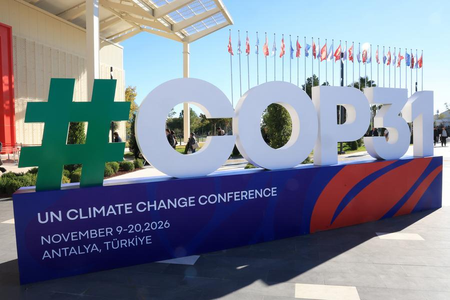
New Delhi: It is unfortunate that nations have again failed to act against a common threat to the planet which they all see and acknowledge it. The failure of negotiations at COP31 have once again brought into focus divisions over fossil, resulting in the end of the conference on Sunday without a climate pact.
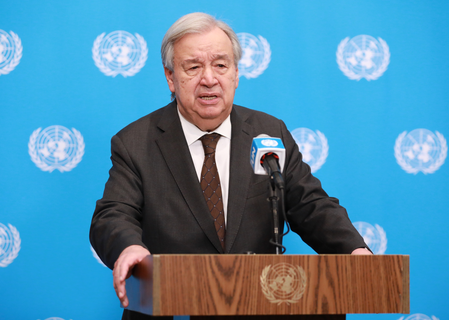
UN Secretary-General António Guterres described the outcome as a “deeply disappointing” setback.
Reacting to the collapse of COP31, the Secretary-General said he was “deeply disappointed” that governments meeting in Antalya, Türkiye, had failed to reach consensus, but stressed that the outcome did not alter the realities of the climate crisis.“There may be no consensus in the negotiating room. There is no ambiguity in the science,” the UN chief said in a statement.
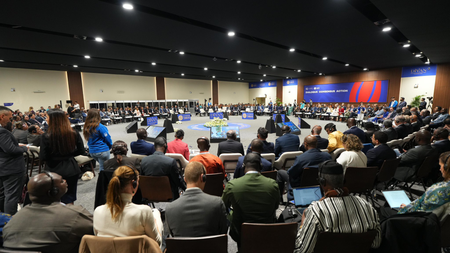
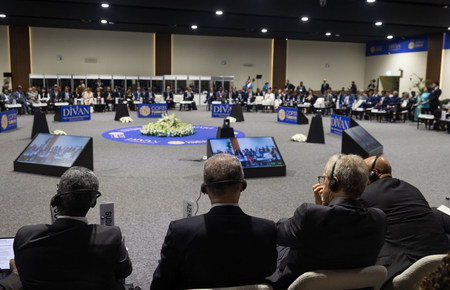
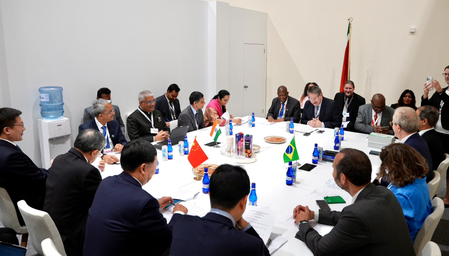
Negotiations ran for two weeks and two days more but without any agreement. There were objections from Several countries to the final text, saying it weakened previous commitments and failed to meet the urgency of the climate crisis. There were sharp differences between nations most vulnerable to climate change and countries pushing for a stronger commitment to move away from coal, oil and gas, and those seeking to protect economies heavily dependent on fossil fuel exports.
The European Union’s objection was to the cover decision, as it failed to “meet the moment” and it warned that it risked widening the gap between climate commitments and real-world action. The bloc said it could not accept a text that omitted any reference to fossil fuels or a transition away from them, describing such an omission as “unconscionable.”
Panama’s argument was t that governments have a responsibility “not to negotiate the minimum threshold, but to act.” In its view the pact weakened previously agreed decisions and failed to reflect the urgency of keeping the 1.5°C goal within reach.
The Marshall Islands warned that the deal failed countries on the front lines of climate change. The delegation said accepting the text would amount to a betrayal of its people, criticised what it called “false solutions”, and argued that faster movement away from fossil fuels, backed by stronger financial support, remained essential.
Ghana, which represented the African Group, acknowledged shortcomings in areas including climate finance, loss and damage and the just transition, which it said received “a single generic sentence”. Nevertheless, it said the group would not stand in the way of consensus, arguing that the text still reflected the views of a wide range of parties.
Saudi Arabia, which spoke for the League of Arab States, advocated for carbon capture and storage (CCS), rejecting suggestions that the technology constituted greenwashing. The delegation argued that scientific assessments have identified a role for CCS in limiting warming and said all viable climate solutions should remain on the table. Despite reservations over other aspects of the negotiations, it pledged to remain constructively engaged.
Antalya has become the longest-running UN climate summit on record. Now the focus shifts to COP32 in Addis Ababa, Ethiopia, where many of the questions left unanswered in Antalya, are to be taken up to arrive at a consensus action for transiting away from fossil fuels to mobilizing climate finance for developing countries.
Naz Asghar
India News Stream