
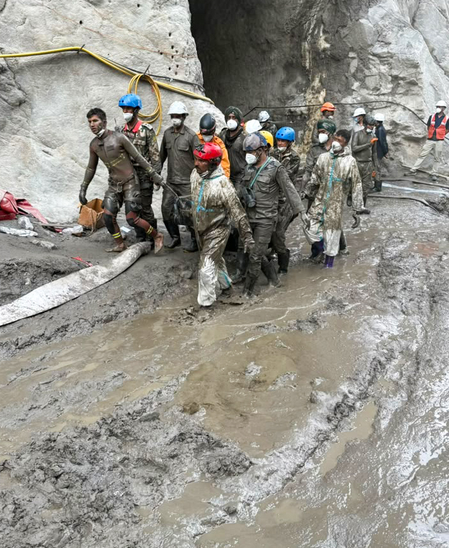
New Delhi: The impact of recent flash floods in Nepal is going much beyond the physically affected communities and areas, as devastation of infrastructure was leading to massive loss of livelihood.
The International Labour Organization (ILO) has done a preliminary assessment of the loss, according to which “Damage to transport links, electricity infrastructure and trade routes can carry the shock through supply chains, markets and connected services, affecting workers and enterprises much farther away.”
The flash floods were triggered by a glacier collapse on the border with China, killing more than 1,450 people, leaving thousands shelterless, destroying, work places, roads, bridges and energy infrastructure.
According to the ILO estimates, some 21,400 employed people live within four kilometres of the “flood footprint”, and the disaster has disrupted economic activity and blocked workers from reaching jobs, markets and essential services.
Those working as guides, porters and transport operators as well as hotel, restaurant and agricultural workers are facing extreme difficulties as activities relating to these sectors have been disrupted by the catastrophic event.
Nepal has a high level of informal employment, with majority of people having limited income and social protection.
The ” high risk” workers include daily-wagers, casual and informal workers and those who are self-employed or who have micro- and home-based business.
“Women workers may face the combined effects of lost paid work and increased unpaid care responsibilities,” the assessment said, further warning that “severe household income losses may also increase the risk of child labour as a negative coping strategy.”
Since there has been disruption in the Nepal-China trade corridor, a large number of companies and workers are affected in the districts far beyond the flood-affected areas.
The floods have caused serious damage to critical transport infrastructure in Rasuwa, one of the two key overland routes responsible for nearly half of exports to China.
Disruptions “could therefore affect not only transport and border-related employment, but also workers and enterprises involved in wholesale and retail trade, construction, manufacturing, agricultural processing and other activities linked to imported inputs and export markets”, the ILO said.
India News Stream